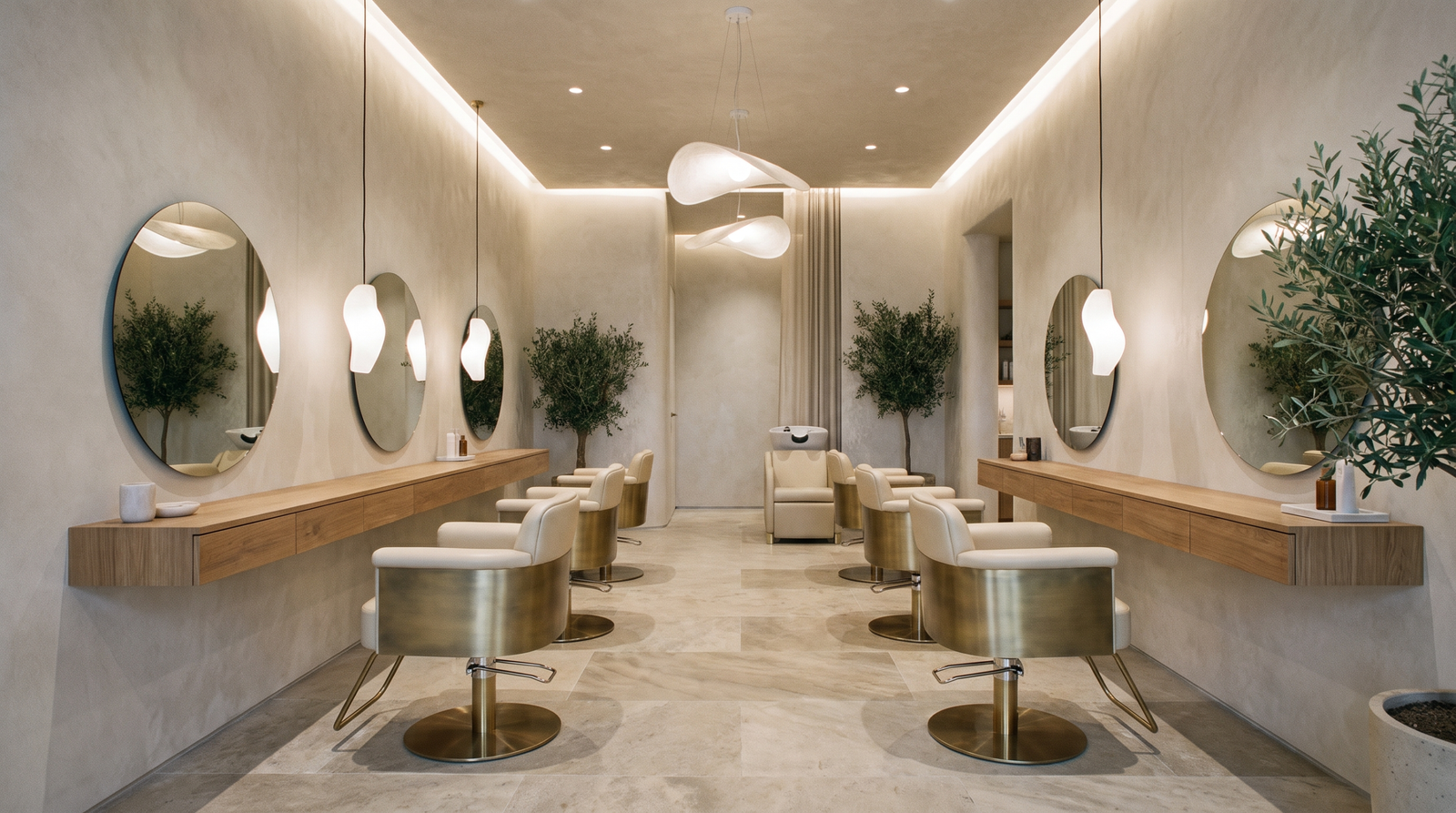
- A standard UAE beauty salon licence costs AED 20,000-35,000 in the first year across trade licence and municipality approvals.
- A DHA health permit, AED 3,000-6,000 annually, becomes mandatory only once skin, nail, or cosmetic treatments are offered.
- A basic hair or nail salon with no medical devices follows the leanest approval path with no DHA involvement.
- Dubai Municipality checks layout, hygiene, and sterilisation standards for every salon regardless of DHA status.
- Every therapist needs an individual health card, renewed on its own schedule separate from the salon's own licence.
- Municipality and DHA approvals renew annually and can involve a follow-up inspection at renewal time.
A standard UAE beauty salon licence costs AED 20,000 to 35,000 in the first year once trade licence, municipality approvals, and staff health cards are counted, before the DHA health permit that applies specifically to skin, nail, or cosmetic treatment services adds a further AED 3,000-6,000 annually. A basic hair or nail salon with no medical devices and no injectables actually follows the leanest approval path of any beauty business type.
This guide covers what actually drives salon licensing cost, when a DHA permit becomes mandatory versus unnecessary, and the municipality requirements every salon faces regardless of treatment type.
The real first-year cost, layer by layer
A salon licence runs through several separate approvals rather than one combined fee: the DET trade licence itself, Dubai Municipality’s health and safety and layout approval, individual health cards for every therapist and stylist performing treatments, and DHA involvement only where the service list actually requires it. Most quotes that lead with a single low figure are pricing the trade licence alone, not the full approval stack a salon needs before it can legally open.
| Cost item | Typical range (AED) |
|---|---|
| Total licensing, standard salon (year one) | 20,000 – 35,000 |
| Total including all municipality and health approvals | Up to 39,000 |
| DHA health permit (skin, nail, cosmetic treatments) | 3,000 – 6,000/year |
| Basic hair/nail salon, no DHA involvement | Leanest approval path available |
“A haircut doesn’t need a health authority’s sign-off. An injectable treatment does. The service list is what decides which salon you’re actually licensing, not the word ‘salon’ on the sign.”
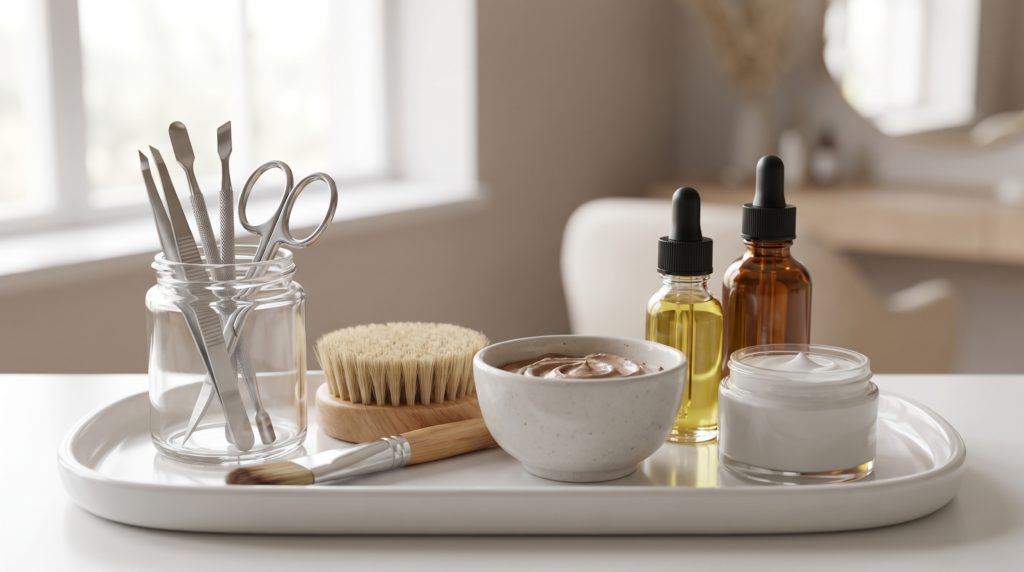
The specific line that triggers mandatory DHA involvement
A basic hair or nail salon offering no medical devices and no injectables follows the leanest path: DET licence, Dubai Municipality health and safety and layout approval, and staff health cards, with no DHA involvement required at all. The moment a salon’s service list includes any skin, nail, or cosmetic treatment service, a DHA health permit becomes mandatory, at an annual cost of AED 3,000-6,000, which is why two salons offering seemingly similar services can face meaningfully different licensing paths depending on the exact treatment menu.
Consider a founder planning a nail salon who assumed the business would follow the simplest municipality-only approval path, based on nail services alone. Once the founder decided to add a basic facial treatment to the service menu, the entire licensing pathway shifted to require DHA health permit approval, adding both cost and an additional approval step that wouldn’t have applied to the nail-only version of the same business.
What Dubai Municipality actually checks before approving
Municipality approval covers the salon’s physical layout and hygiene standards, sterilisation practices, and safe handling of tools and products, applying to every salon regardless of whether DHA is also involved. This is the one approval layer no salon skips, and it’s worth getting a municipality-compliant layout confirmed before finalizing a lease or fit-out, since retrofitting a space that doesn’t meet layout requirements is considerably more expensive than designing to spec from the outset.
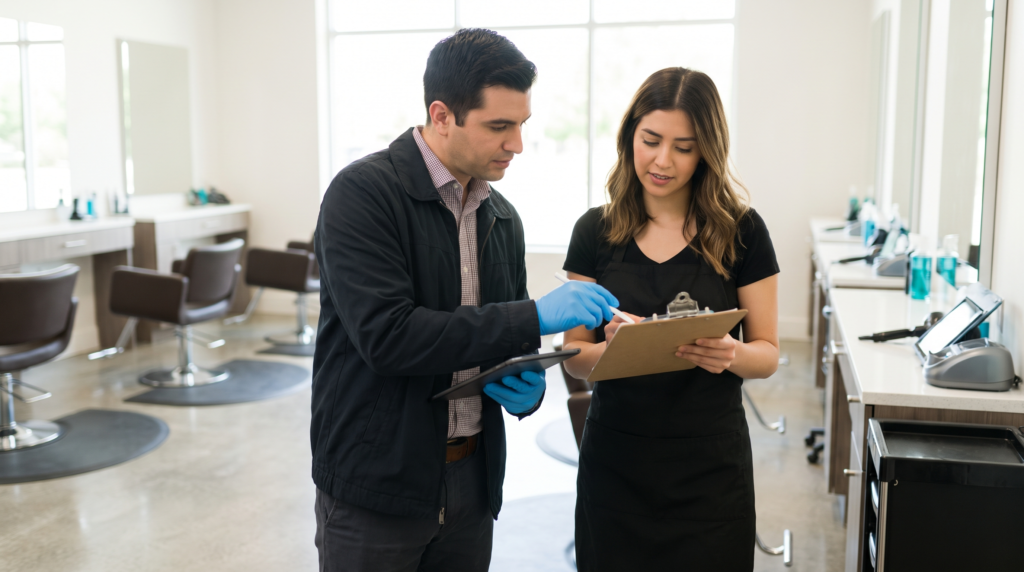
Why every therapist needs an individual health card
Health cards apply per person, not per salon, meaning every stylist or therapist performing treatments needs their own valid card, renewed on its own schedule separate from the salon’s own licence renewal. A salon scaling its team needs to track each staff member’s individual health card status, since one lapsed card exposes that specific staff member’s work, and potentially the salon’s compliance standing, even when every other team member is current.
Mainland or free zone for a beauty salon?
Mainland licensing generally suits a salon serving walk-in local clients directly, the standard model for this activity, similar to the same mainland-first logic covered in our guide on free zone versus mainland for a restaurant or F&B business, since both activities depend on direct local footfall rather than international trade. See our guide on the difference between a professional and commercial licence in the UAE for how a salon’s activity classification affects which licence category applies.
What ongoing renewal and inspection actually involve
Municipality and DHA approvals, where applicable, aren’t one-time checks; both renew on their own annual cycles alongside the trade licence itself, and a salon can face a follow-up inspection at renewal to confirm hygiene and layout standards are still being maintained, not just that they were met at initial approval. A salon that let standards slip since opening, even without any incident, risks a renewal delay if an inspection surfaces gaps that weren’t there the first time around.
Common mistakes when licensing a UAE salon
- Assuming every salon follows the same approval path regardless of the specific treatments actually offered.
- Finalizing a lease or fit-out before confirming the space meets Dubai Municipality’s layout and hygiene requirements.
- Treating health cards as a one-time approval rather than an individual, per-person renewal obligation.
- Adding a DHA-triggering treatment to the service menu without budgeting for the resulting permit requirement.
When professional help is worth it
A founder running a straightforward hair or nail salon with no medical-adjacent treatments can often complete the DET and municipality approvals directly. Where it’s worth confirming with a specialist is any service menu that touches skin, nail, or cosmetic treatments broadly enough to trigger DHA involvement, since getting that classification wrong after signing a lease is an expensive mistake to unwind. e.zone’s beauty and wellness licensing specialists can confirm which approval path your specific service menu actually requires before you commit to a space.
Frequently asked questions
How much does a beauty salon licence cost in the UAE?
A standard salon licence costs AED 20,000-35,000 in the first year, covering the trade licence, municipality health and safety approval, and staff health cards.
When do I need a DHA permit for my salon?
A DHA health permit becomes mandatory once your service list includes any skin, nail, or cosmetic treatment service, at an annual cost of AED 3,000-6,000. A basic hair or nail salon with no such treatments doesn't need one.
Do all salon staff need individual health cards?
Yes, every stylist or therapist performing treatments needs their own valid health card, renewed on its own schedule separate from the salon's licence renewal.
What does Dubai Municipality check before approving a salon?
Municipality approval covers the salon's physical layout, hygiene standards, sterilisation practices, and safe handling of tools and products, applying to every salon regardless of treatment type.
Can a salon face inspection at renewal time?
Yes, municipality and DHA approvals can involve a follow-up inspection at renewal to confirm hygiene and layout standards are still being maintained, not just that they were met initially.
Talk to a setup advisor
Free 20-minute call to confirm the right structure for your business.
Related Reading
 Industry-Specific Licensing
 ICV Certificate: How It Actually Affects UAE Government Contract Eligibility
 Industry-Specific Licensing
 UAE Freight Forwarding and Logistics Licence: Cost, CRN, and Requirements
 Industry-Specific Licensing
 UAE Travel Agency Licence: DTCM Approval, Cost and Requirements
 Industry-Specific Licensing