

- A single federal framework now replaces fragmented emirate-level food safety systems.
- Online food sales, delivery platforms, and cloud kitchens are explicitly within scope.
- Nutri-Mark labeling is mandatory, and imported food must be registered in the ZAD electronic system.
- Delivery platforms carry their own food safety obligations separate from the kitchen's licensing.
The UAE’s food and beverage industry entered a unified national food safety system in 2026, merging Abu Dhabi’s Risk-Based System and Ajman’s Raqeeb smart inspection platform into a single federal framework.
This framework explicitly extends food safety requirements to online food sales, delivery platforms, and cloud kitchens, a category that had previously sat in a genuinely underregulated space.
This guide covers what actually changed, why cloud kitchens face a considerably different compliance picture now, and what a founder should prepare before launching a food business in 2026.
Why fragmented emirate-level systems created real inconsistency for multi-emirate operators
Before this unification, a food business operating across several emirates navigated genuinely different inspection platforms, standards, and reporting expectations depending on which emirate a specific outlet sat in.
Merging Abu Dhabi’s Risk-Based System and Ajman’s Raqeeb platform into one federal framework removes much of this inconsistency, though a founder should still confirm exactly how implementation currently looks in each specific emirate.
A founder running outlets across multiple emirates benefits considerably from this consolidation, since compliance now follows a more coherent, single national logic rather than several parallel systems.
| Detail | What applies |
|---|---|
| What merged | Abu Dhabi’s Risk-Based System and Ajman’s Raqeeb inspection platform |
| New scope | Online food sales, delivery platforms, and cloud kitchens explicitly covered |
| Labeling requirement | Mandatory Nutri-Mark labeling |
| Import registration | Imported food must be registered in the national ZAD electronic system |
| Licence renewal | Annual renewal required, with equivalent processes in each emirate |
“Cloud kitchens and delivery-only concepts used to sit in a genuinely lighter regulatory space. That space closed in 2026, and enforcement now treats them the same as any other food business.”
Why a delivery-only concept no longer gets treated as a lower-priority enforcement category
A founder running a cloud kitchen or delivery-only food concept should understand this 2026 framework closed the specific regulatory gap this business model previously occupied.
Delivery platforms themselves also now carry explicit food safety obligations, meaning a founder partnering with a delivery platform should confirm that platform’s own compliance status, not simply assume the kitchen’s own licensing covers the full delivery chain.
This is a genuinely important shift for a business model that grew rapidly during a period when enforcement had not yet caught up to its specific operating structure.
Consider a cloud kitchen operator running several delivery-only food brands from a single shared kitchen facility, which had assumed the absence of a dine-in customer space meant a lighter inspection standard applied to the operation overall.
A routine inspection under the new unified system applied the same food safety standard as a full-service restaurant, requiring the operator to upgrade specific handling and storage practices that had previously gone unreviewed under the older, less consolidated inspection approach.
Why mandatory Nutri-Mark labeling changes packaging decisions before a product even reaches shelves
The mandatory Nutri-Mark labeling requirement means packaged food products need specific nutritional labeling compliance built into packaging design from the outset, rather than added as an afterthought once a product is otherwise ready to launch.
A founder developing a packaged food product should factor this labeling requirement into the product development timeline early, since retrofitting compliant labeling onto an already-finalized package design creates unnecessary delay and cost.
This requirement applies specifically to packaged products, distinct from the broader food safety and hygiene standards applying to prepared food generally.
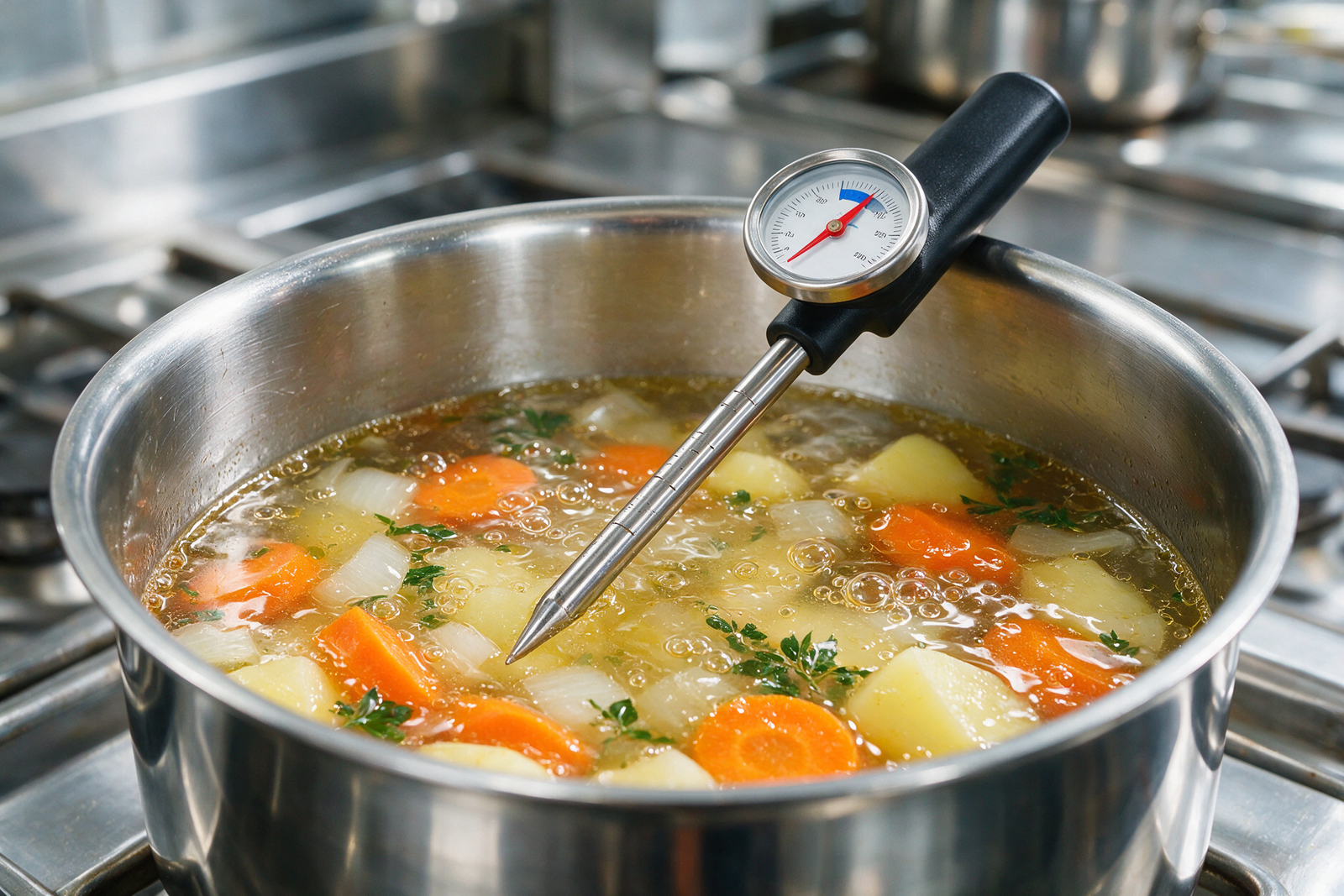
Why imported food specifically now runs through its own dedicated national system
Any food product imported into the UAE must be registered in the national electronic system ZAD, with Dubai authorities additionally requiring label assessment before market entry and mandatory Arabic labeling.
A founder importing food products, whether for retail sale or as ingredients in a food service operation, needs the correct trade licence for food activity in the relevant emirate alongside this specific ZAD registration.
Treating ZAD registration as a formality rather than a genuine gating requirement risks a shipment being held at the border while registration catches up after the fact.
Why a food import business still needs the right underlying licence classification
See our guide on where a general trading licence’s activity scope actually stops for how licensing activity scope interacts with food import specifically, since a mismatched licence classification creates its own separate compliance question alongside ZAD registration.
Why an online food delivery platform still starts with a standard e-commerce licensing decision
See our guide on choosing between a mainland and free zone e-commerce setup for the underlying licensing decision a delivery platform or cloud kitchen operator needs to make before this food safety framework becomes practically relevant to daily operations.
Why staffing a compliant food operation carries its own distinct cost considerations
See our guide on the full breakdown of what a first UAE employee actually costs for the broader employment cost picture a food business should budget for, particularly given the additional food safety training many roles in this sector now require under the unified system.
Why consumer-facing food businesses face consumer protection obligations on top of food safety rules
See our guide on what UAE Consumer Protection 2.0 actually requires for e-commerce for a related, separate set of obligations a food delivery business needs to satisfy alongside the food safety framework covered here, particularly around digital invoicing and marketing consent.
Why expanding into a second emirate still needs its own dedicated compliance check
A founder planning to expand a food business from one emirate into another should confirm the equivalent local process in the new emirate directly, rather than assuming the unified federal framework means every emirate’s specific implementation is now fully identical.
Local nuances in inspection scheduling, specific documentation requirements, and renewal timing can still differ meaningfully even under a shared national framework.
Building this confirmation step into any expansion plan avoids a founder discovering a local implementation gap only after operations have already begun in the new emirate.
Why marketing and pricing rules apply directly to a food delivery platform’s own app or website
See our guide on how the updated digital invoicing and pricing display rules work for a related framework worth reviewing specifically for any app-based or website-based food ordering experience, since pricing display and digital invoicing rules apply just as much here as to any other online retail transaction.
Why staff training now needs to reflect this specific unified framework, not general food handling knowledge
A founder should ensure kitchen and delivery staff receive training specifically referencing the unified national system’s current requirements, rather than relying on general food handling knowledge that may not reflect this year’s specific consolidated standard.
This is particularly important for a business that recently expanded into a new emirate, where staff previously trained under one emirate’s older, pre-unification standard may need a refresher aligned with the current federal framework.
Documenting this training formally, with dated records for each staff member, gives an operator clear evidence of genuine compliance effort if a specific inspection ever raises a training-related question.
Why packaging suppliers need to be brought into the Nutri-Mark compliance conversation early
A founder developing a packaged food product should involve the packaging supplier directly in Nutri-Mark labeling compliance discussions, rather than assuming the supplier automatically understands and applies every current labeling requirement without explicit coordination.
A supplier working from an outdated labeling template can produce packaging that looks complete but does not actually satisfy the current requirement, a costly mistake to discover only after a full production run has already been printed.
Why kitchen and delivery staff payroll follows the same national WPS rules as any other sector
See our guide on how the WPS leave salary rule now works for a related payroll compliance requirement a food business needs to satisfy for kitchen and delivery staff alongside the food safety framework covered here.
Why food service staff still need mandatory health insurance regardless of role
See our guide on what this year’s health insurance premium jump means for employers for a related employment cost a food business operator needs to budget for kitchen and delivery staff, a workforce category some operators mistakenly assume carries lighter obligations than office staff.
Why menu allergen disclosure deserves the same careful attention as the packaging label itself
A founder running a restaurant or delivery kitchen should ensure menu allergen disclosure is genuinely accurate and current, since this specific area sits alongside labeling as a common source of consumer complaints and regulatory scrutiny.
Updating this disclosure whenever a recipe or supplier ingredient changes, rather than treating the original menu documentation as permanent, keeps this specific compliance area genuinely current rather than quietly drifting out of date over time.
Why keeping organized inspection records speeds up every future visit
A founder running a food business under the unified system should keep digital copies of every inspection report, corrective action taken, and renewal certificate in one accessible place, rather than scattered across email threads or paper files.
This organized record becomes genuinely useful the next time an inspector arrives with little or no notice, since a business that can immediately produce its compliance history demonstrates the kind of operational maturity inspectors respond to favorably.
Common mistakes when approaching the UAE’s unified national food safety system
- Assuming a cloud kitchen or delivery-only concept still faces a lighter enforcement standard.
- Finalizing packaging design before confirming Nutri-Mark labeling compliance.
- Treating ZAD import registration as a formality rather than a genuine gating requirement.
- Assuming a unified federal framework means every emirate’s local implementation is fully identical.
When professional help is worth it
A founder running a single, straightforward food outlet in one emirate can often confirm compliance directly through that emirate’s own published guidance. Where guidance is worth the cost is any business operating across multiple emirates, importing food products, or running a cloud kitchen model that previously operated under lighter scrutiny.
e.zone’s food and beverage licensing team can confirm exactly what this unified system requires for your specific business model. See e.zone’s guide on what a Dubai free zone mainland permit lets a business do for a related consideration once a food business starts scaling across mainland and free zone locations.
A founder planning a genuinely ambitious multi-brand cloud kitchen concept benefits especially from this kind of specialist review upfront, since the compliance cost of getting labeling, import registration, and inspection readiness wrong across several simultaneous brand launches compounds quickly.
A founder relying on a shared kitchen facility that hosts several unrelated brands should also confirm exactly how the unified system attributes inspection responsibility across those brands, since a shared facility model raises a genuinely different accountability question than a single-brand kitchen operating from its own dedicated space.
Why the annual renewal cycle deserves its own dedicated place on a business’s compliance calendar
A founder should treat this framework’s annual licence renewal as a fixed calendar event tracked well ahead of the actual deadline, rather than a task rediscovered only once a renewal notice arrives.
Building this renewal date into the same broader compliance tracking system used for other recurring obligations, rather than managing food safety renewal separately from everything else, reduces the chance any single deadline gets missed amid a busier operating period.
A founder should also keep a dated archive of every past renewal confirmation and inspection report, since a clear historical record demonstrates a genuine pattern of ongoing compliance if a future inspection ever raises a question about the business’s track record rather than just its current status.
Operators bringing a cloud kitchen concept up to the new standard still need the underlying trade licence in place, which EZONE’s mainland licence package covers as a fixed-price service.
Frequently asked questions
Are cloud kitchens treated differently from dine-in restaurants now?
No. The 2026 framework closed the regulatory gap cloud kitchens and delivery-only concepts previously occupied, and they are now enforced the same as any other food business.
Does my delivery partner's compliance cover my kitchen too?
No. Delivery platforms now carry their own explicit food safety obligations. Confirm your delivery partner's compliance status separately rather than assuming it covers your kitchen's own licensing.
What is Nutri-Mark labeling?
A mandatory labeling requirement introduced under the unified food safety system that applies to qualifying food products.
Do multi-emirate food operators still face different rules per emirate?
The unification reduces inconsistency, but a founder should still confirm exactly how implementation currently looks in each specific emirate.
Talk to a setup advisor
Free 20-minute call to confirm the right structure for your business.
Related Reading
 Industry-Specific Licensing
 Dubai Contractor Licensing Law 2026: Mandatory Registration Under Law No. 7 of 2025
 Industry-Specific Licensing
 UAE Advertiser Permit 2026: Who Needs One and Why Unpaid Doesn't Exempt You
 Industry-Specific Licensing
 KHDA's 2026 Compliance Handbooks: 24-Hour Inspection Notice Explained
 Industry-Specific Licensing