

- A general trading licence allows import, export, wholesale and distribution across unrelated goods categories under one licence, unlike a standard trading licence restricted to related goods.
- Activity-count limits vary sharply by issuing authority: mainland allows up to 10 listed activities, while free zones like Meydan cap at around 3 activity groups.
- Realistic first-year cost runs AED 15,000-30,000 for a free zone setup versus AED 35,000-65,000 for mainland once office and visas are included.
- Controlled categories, alcohol, tobacco, pharmaceuticals, vehicles, chemicals and weapons, need additional approvals regardless of general trading status.
- Mainland general trading companies can sell directly to UAE consumers without a distributor; free zone companies generally need one for local sales.
- Comparing free zones on licence price alone can miss the activity-count limit, which may force a costlier package once your full product range is mapped against it.
A UAE general trading licence lets one company import, export, and distribute multiple unrelated categories of goods under a single licence, from AED 12,000 for a basic free zone setup to AED 65,000 for a mainland company with office and visas. The real limit isn’t cost, it’s how many distinct activities your specific free zone or authority actually allows on one licence.
This guide covers what a general trading licence actually permits, the activity-count limits that catch founders off guard, and what the real first-year cost looks like once office and approvals are added.
What a general trading licence actually permits
See e.zone’s guide on getting a trading licence in Dubai, or the SRTIP general trading licence package if SRTIP fits your activity.
A standard trading licence typically restricts you to a narrow, related set of goods, electronics only, or textiles only, for example. A general trading licence removes that restriction, allowing import, export, wholesale, and distribution across genuinely unrelated product categories under one legal entity, without needing a separate licence or activity amendment every time you add a new product line.
This flexibility isn’t unlimited. Certain categories, alcohol, tobacco, pharmaceuticals, vehicles, chemicals, and weapons, require additional approvals from the relevant federal or emirate authority regardless of whether your licence is general trading or standard. A general trading licence widens what you can sell without extra paperwork; it doesn’t remove regulatory approval requirements for controlled goods.
The activity-count limit most founders don’t check upfront
| Jurisdiction | Typical activity limit per licence |
|---|---|
| Mainland (Dubai DED) | Up to 10 listed activities |
| Meydan Free Zone | Up to 3 activity groups |
| Most other free zones | 3-5 activities |
These limits vary by issuing authority rather than following one blanket UAE-wide rule, which is the detail that catches founders comparing free zones purely on price. A free zone quoting a lower licence fee may also cap you at fewer activity slots, meaning a genuinely diversified trading business could need a costlier package, or a second licence, to cover the same product range a cheaper mainland option handles in one.
“General trading buys you flexibility across product categories. It doesn’t buy you an unlimited number of activity slots on the licence itself.”
Real first-year cost, mainland versus free zone
| Cost item | Free zone (AED) | Mainland (AED) |
|---|---|---|
| Licence and registration | 12,000 – 20,000 | 15,000 – 25,000 |
| Office space | Flexi-desk often included | Mandatory Ejari lease, 15,000+ |
| Visa (per person) | 4,000 – 7,000 | 4,000 – 7,000 |
| Total realistic first year | 15,000 – 30,000 | 35,000 – 65,000 |
The gap widens further once you factor recurring costs. A mainland general trading company with a small office and two visas typically runs AED 35,000 to 55,000 a year in ongoing renewal, office, and visa costs alone, before accounting or audit. For the fuller annual picture, see our guide on the recurring renewal and accounting costs a trading company still carries.
Consider a founder planning to import electronics, home goods, and packaged food under one company. A free zone quoting an attractive AED 14,000 licence fee turned out to cap the licence at three activity groups, electronics and home goods fit under one group, but packaged food required a separate food-trading activity with its own municipality approval and a different group slot entirely. The founder ended up either dropping the food category or upgrading to a package with more activity slots at a higher fee, a cost that wasn’t visible when comparing headline licence prices.
Mainland or free zone for a trading business specifically
Mainland general trading companies can sell directly to UAE consumers and businesses without a distributor, and bid on government contracts, both relevant if your customer base is local. Free zone trading companies trade internationally and re-export easily but need a distributor or a separate mainland branch to sell directly into the local UAE market. For the fuller structural comparison, see our guide on mainland versus free zone cost and trading rights.
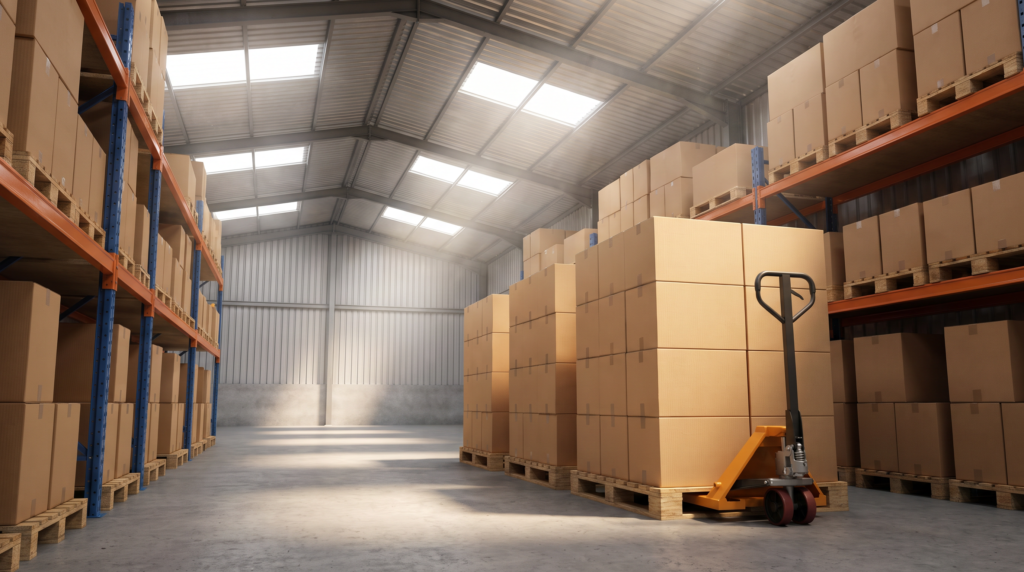
Categories that need approval regardless of licence type
- Alcohol and tobacco require specific municipal and federal licensing on top of the trading licence itself.
- Pharmaceuticals and medical devices need Ministry of Health approval, independent of general trading status.
- Vehicles require RTA and manufacturer-specific approvals in most cases.
- Chemicals above certain hazard classifications need civil defense and environmental approvals.
- Weapons and related equipment require security-authority licensing that sits entirely outside standard trading approvals.
A general trading licence widening your product range doesn’t waive any of these; budget the extra approval timeline separately if your category list includes them.
Common mistakes when setting up a general trading company
- Comparing free zones purely on licence price without checking the activity-count limit against your actual product range.
- Assuming general trading status removes the need for category-specific approvals like food, pharma, or chemicals licensing.
- Underestimating how much a mandatory mainland office adds to first-year cost compared to a free zone flexi-desk.
- Not confirming whether your specific product categories fall under a single activity group or trigger a second one.
- Choosing a free zone based on cost alone without checking its trade credibility with the banks and suppliers your business actually needs.
- Not comparing free zone activity limits against the standard free zone setup process before assuming general trading pricing applies the same way everywhere.
When professional help is worth it
A founder trading a small, related set of product categories can often confirm activity fit and choose a jurisdiction directly by comparing free zone activity lists. Where it’s worth a second opinion is when your product range spans genuinely unrelated categories, since getting the activity-group count wrong after signing a lease is expensive to unwind. e.zone’s licensing specialists can map your specific product categories against activity-group limits before you commit to a free zone or mainland package.
Frequently asked questions
What does a general trading licence actually allow?
It permits import, export, wholesale and distribution across genuinely unrelated product categories under a single licence, unlike a standard trading licence which restricts you to a narrow, related set of goods.
How much does a UAE general trading licence cost?
A basic free zone setup starts around AED 12,000-20,000 for licensing alone, with a realistic total first year of AED 15,000-30,000. Mainland setups with a mandatory office typically reach AED 35,000-65,000 in the first year.
How many activities can I have on one general trading licence?
It varies by authority: mainland allows up to 10 listed activities, while free zones typically cap between 3 and 5 activity groups, with some, like Meydan, capping at 3.
Can a general trading licence sell alcohol or pharmaceuticals?
Not without additional approvals. Alcohol, tobacco, pharmaceuticals, vehicles, chemicals and weapons all require category-specific licensing from the relevant authority regardless of general trading status.
Is mainland or free zone better for a general trading company?
Mainland allows direct sales to UAE consumers and government contract bidding without a distributor. Free zone companies trade internationally more easily but generally need a distributor or mainland branch for local UAE sales.
What is the biggest mistake founders make when choosing a general trading licence?
Comparing free zones on licence price alone without checking whether the activity-count limit actually covers their full product range, which can force an upgrade to a costlier package later.
Talk to a setup advisor
Free 20-minute call to confirm the right structure for your business.
Related Reading
 Industry-Specific Licensing
 ICV Certificate: How It Actually Affects UAE Government Contract Eligibility
 Industry-Specific Licensing
 UAE Freight Forwarding and Logistics Licence: Cost, CRN, and Requirements
 Industry-Specific Licensing
 UAE Travel Agency Licence: DTCM Approval, Cost and Requirements
 Industry-Specific Licensing