
- There is no single national telemedicine licence; the facility and the professional are licensed.
- DHA Version 4 took effect on 26 November 2025.
- DHA requires telehealth accreditation within 24 months of licensing or renewal.
- A DHA telehealth platform needs approval before launch and UAE-based data storage.
- Which regulator applies by patient location, and Malaffi or Riayati duties, could not be confirmed on official pages.
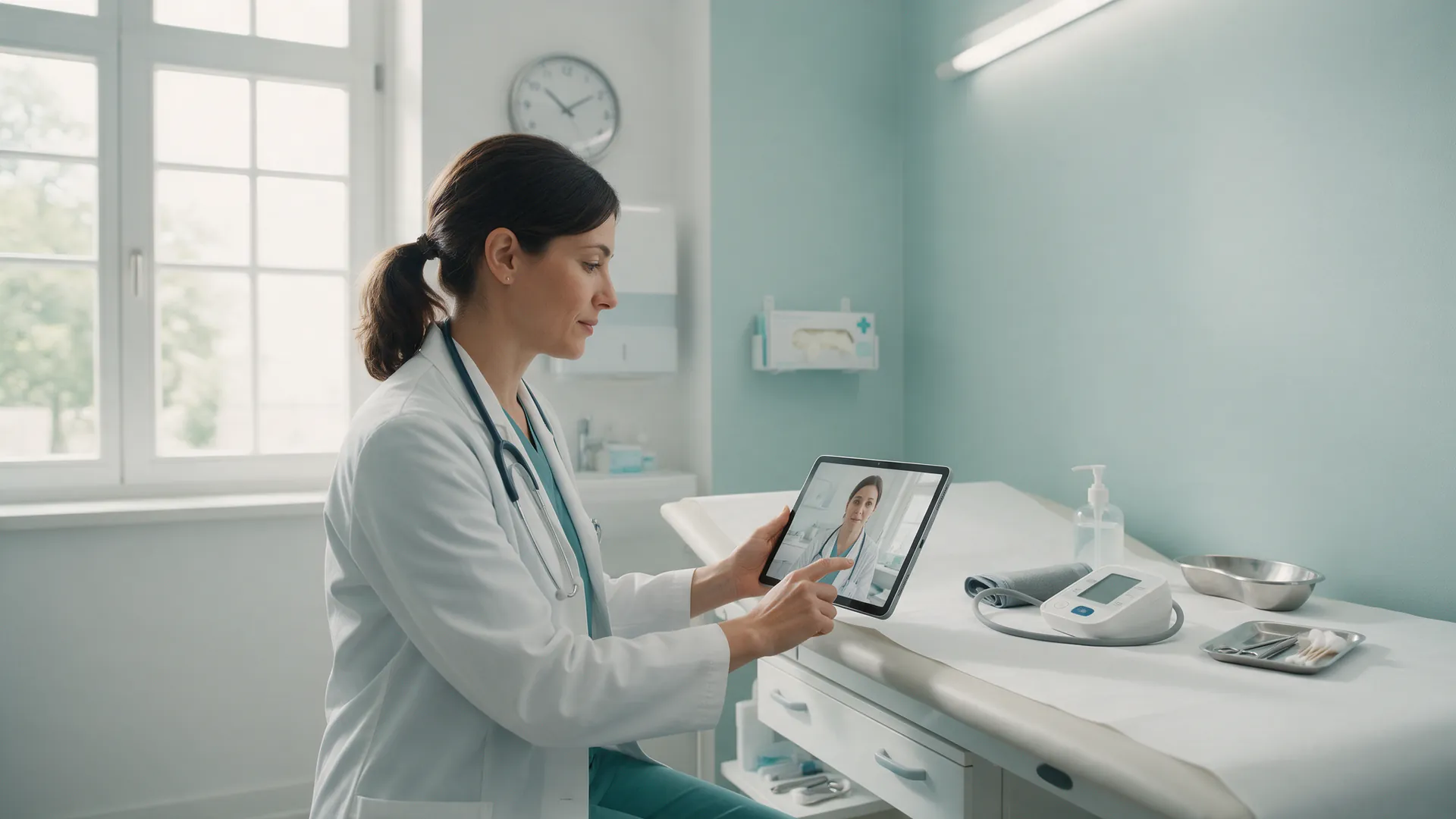
The UAE has no single national telemedicine licence: remote consultations are delivered by licensed health professionals working through licensed health facilities, and each emirate’s health regulator sets its own telehealth rules. In Dubai, the DHA Standards for Telehealth Services (Version 4, effective 26 November 2025) also require telehealth accreditation within 24 months of a facility’s licensing or renewal, and DHA approval of any telehealth platform before launch.
Who regulates telehealth
Dubai, Abu Dhabi and the Ministry of Health and Prevention (MOHAP) each regulate health facilities in their area. DHA covers Dubai, the Department of Health (DOH) covers Abu Dhabi, and MOHAP licenses practitioners and private facilities in the northern emirates through its e-licensing services. MOHAP’s facility licensing page lists a telemedicine centre as a facility category, but I did not find a northern emirates telehealth standard on the pages checked.
Dubai: the DHA standards
The DHA standard (code DHA/HRS/HPSD/ST-14) applies to DHA-licensed professionals and facilities providing telehealth. Its main points:
- The health facility must be licensed by DHA. Providers continuing care for patients outside Dubai must follow the rules of the respective jurisdiction.
- Accreditation is required for all telehealth services, both facilities and platforms. Licensed facilities have 24 months from initial licensing, or from licence renewal for existing facilities. Named accrediting bodies include QAI, EIAC and URAC.
- A telehealth platform for internal or commercial use must be assessed and approved by DHA through health facility licensing before go-to-market, with legal representation in Dubai under a commercial or trade licence.
- DHA-licensed physicians outside the UAE may consult patients in the UAE if they are DHA licensed and affiliated with a DHA-licensed facility, under a written contract or memorandum of understanding.
Data, security and language
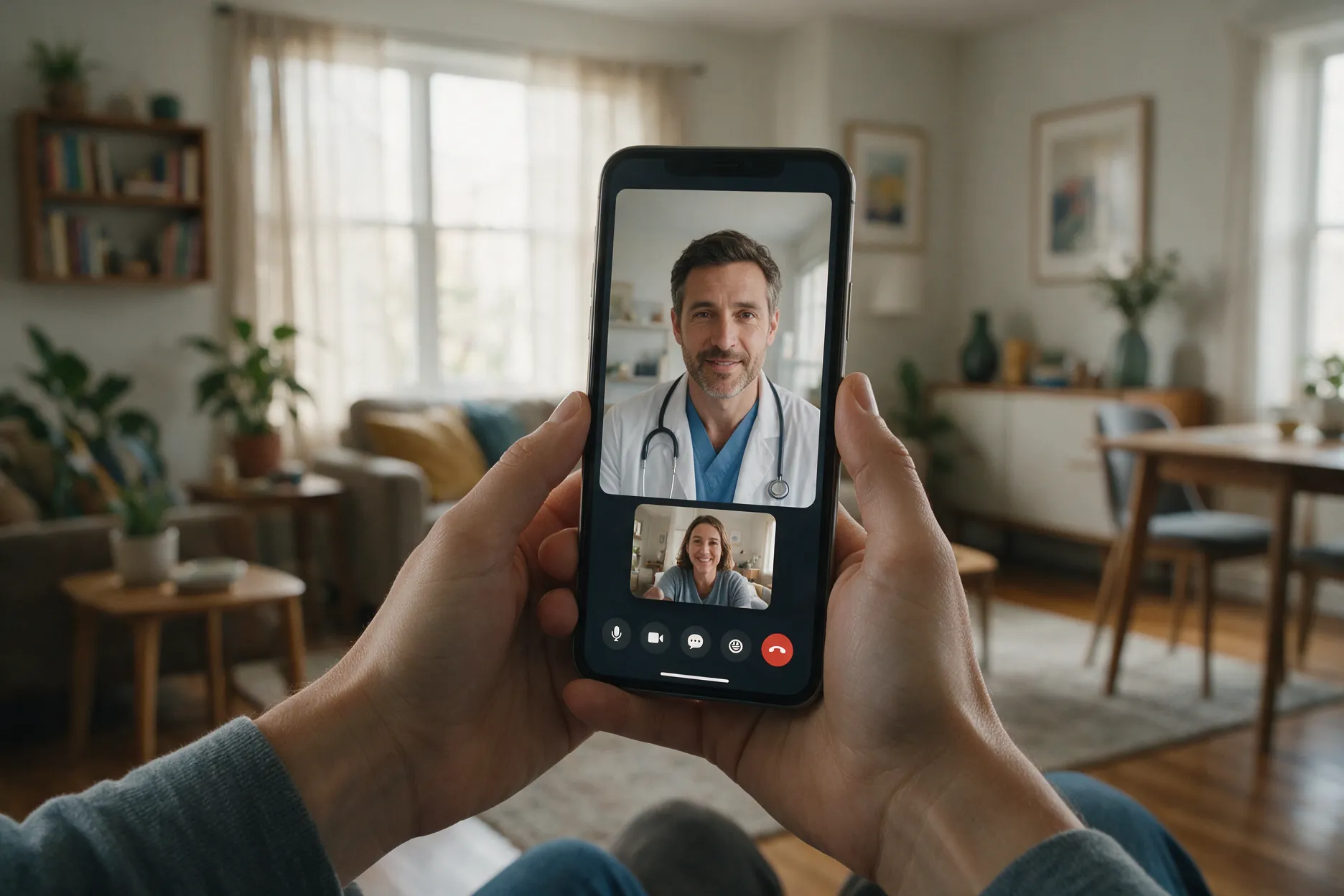
The DHA standard requires platform data to be stored on servers at a cloud provider certified by the Dubai Electronic Security Centre in the UAE, in Tier 3 data centres, and requires ISO 27001 and HIPAA compliance certification for platforms. Health records systems must integrate with NABIDH, Dubai’s health information exchange. Storing or transferring health data outside the UAE is prohibited unless DHA approves it. Consultations should be offered in at least Arabic and English.
The standard excludes emergency cases needing immediate life-saving intervention and the prescribing of narcotic, controlled or semi-controlled medication. It also requires identifying the patient with at least three identifiers.
Abu Dhabi’s DOH Standard on Tele-Medicine, effective 16 September 2020, applies to DOH-licensed providers and, as excerpted on DOH’s site, requires servers and backup servers to sit inside the UAE. I could not confirm on official pages which regulator governs a consultation by patient location, Malaffi or Riayati duties, or a multi-factor authentication requirement, so this article does not state them.
Comparing the regulators
| Regulator | Area | What I could confirm |
|---|---|---|
| DHA | Dubai | Facility licence, accreditation in 24 months, platform approval, UAE data storage, NABIDH integration |
| DOH | Abu Dhabi | 2020 Tele-Medicine Standard for DOH-licensed providers; servers inside the UAE |
| MOHAP | Northern emirates | Facility and practitioner licensing; telemedicine centre listed as a facility category |

In practice this means a telehealth business is assessed twice: once as a licensed facility, and once, in Dubai, as a platform. Budget time for both reviews, because DHA approval of the platform comes before go-to-market, and accreditation follows within the 24-month window. Contracts with partner clinicians should name each party’s role, because the standard requires the licensed facility to keep a record of every physician engaged in telehealth services.
How to start
- Decide which emirates you will serve and which regulator licenses your facility.
- Make sure every clinician holds a licence from the relevant authority.
- If you build a platform for Dubai, plan DHA approval, UAE servers and ISO 27001 certification first.
- Put a written contract or memorandum of understanding in place for every partner clinician or facility.
- Diarize the 24-month accreditation date from your licence or renewal.
Mistakes to avoid
- Looking for a standalone telemedicine licence. Licensing sits with the facility and the professional.
- Assuming a licence in one emirate covers patients in another.
- Hosting patient data on servers outside the UAE without regulator approval.
- Launching a Dubai platform before DHA approval.
- Forgetting the 24-month accreditation deadline.
e.zone’s advisers can help you check how this applies to your own company before you act.
When professional help helps
A telehealth business that serves more than one emirate, uses AI features or contracts with partner clinicians should have its regulatory plan reviewed by a qualified UAE healthcare licensing adviser early.
Sources: DHA: Standards for Telehealth Services, Version 4 (effective 26 November 2025); DOH Abu Dhabi: Standard on Tele-Medicine (September 2020); MOHAP: licensing and re-licensing of a health facility; MOHAP: e-licensing services.
Related guides
- UAE Healthcare Clinic Licence: DHA, DOH and MOHAP Routes, Costs and Timeline
- UAE PDPL Compliance 2026: What the Law Text Actually Requires
- Best Free Zone for an Online Business in the UAE
- ICV Certificate in the UAE: What the Official Sources Say About Government Contracts
- UAE UBO Declaration: Who Counts as a Beneficial Owner and What It Costs to Get Wrong (2026)
- The Real Cost of Hiring Your First Employee in a UAE Company
- UAE Company Compliance Checklist: What Every Business Actually Needs
Frequently asked questions
Is there a separate telemedicine licence in the UAE?
Not a national one. Telehealth is delivered by licensed professionals through licensed health facilities, under the rules of the relevant regulator.
What changed in Dubai in 2025?
DHA issued Version 4 of its Standards for Telehealth Services on 26 September 2025, effective 26 November 2025, with accreditation required for facilities and platforms.
How long do Dubai facilities have to get telehealth accreditation?
24 months from initial licensing, or from licence renewal for existing facilities.
Where must telehealth data be stored?
DHA requires UAE-based servers at a cloud provider certified by the Dubai Electronic Security Centre, and bars storing or transferring health data outside the UAE without DHA approval.
Must a telehealth platform be offered in Arabic and English?
DHA's standard says consultations should be offered in at least Arabic and English.
Talk to a setup advisor
Free 20-minute call to confirm the right structure for your business.
Related Reading
 Industry-Specific Licensing
DMCC Recruitment Consultancy License: Requirements and Cost (2026)
 Industry-Specific Licensing
Crypto Company in DMCC: How the VARA Licence Works (2026)
 Industry-Specific Licensing
Dubai Holiday Home Permit: Fees, Fines and the 2026 Relief
 Industry-Specific Licensing