
- The Blue Visa offers 10-year renewable residency for documented environmental, sustainability, or climate contributions.
- General enthusiasm for sustainability does not meet the eligibility bar; verifiable professional evidence is required.
- No local sponsor or employer is needed, and family sponsorship covers spouse, children of any age, and parents.
- The Blue Visa is a separate category from both the Golden Visa and the similarly named Green Visa.
- It structurally resembles the Golden Visa nomination route more than the investment-based routes.
- Renewal requires demonstrating continued genuine involvement in environmental work, not automatic approval.
The UAE Blue Visa is a 10-year renewable residency for individuals with documented, verifiable contributions to environmental protection, sustainability, or renewable energy. It launched at the 2025 World Government Summit, and 2026 marks its broader implementation phase.
Passion for green causes doesn’t meet the threshold. This visa requires measurable, evidenced contribution, not enthusiasm.
This guide covers who actually qualifies, what documentation the application genuinely requires, and how this compares to the UAE’s other long-term residency routes.
Why this visa demands evidence, not intention
The Blue Visa is administered by ICP in collaboration with the Ministry of Climate Change and Environment. That joint administration signals how seriously the eligibility bar is actually applied.
Applicants need at minimum a bachelor’s degree. Beyond that baseline, the real requirement is documented evidence: experience certificates, employment contracts, and job descriptions showing genuine environmental work.
A general interest in sustainability, without a documented professional role tied to it, does not meet this bar. This is a professional-track visa, not a values-based one, and treating it as the latter is the single most common reason otherwise well-intentioned applications fail.
| Detail | What applies |
|---|---|
| Visa duration | 10 years, renewable indefinitely |
| Administering bodies | ICP and Ministry of Climate Change and Environment |
| Minimum education | Bachelor’s degree |
| Core requirement | Documented environmental, sustainability, or climate contribution |
| Sponsor required | No, no local sponsor or employer needed |
| Family sponsorship | Spouse, children of any age, and parents |
“This visa isn’t rewarding people who care about the environment. It’s rewarding people who can prove, with employment records and documented outcomes, that they’ve actually built a career around it.”
Which professional profiles genuinely fit this category
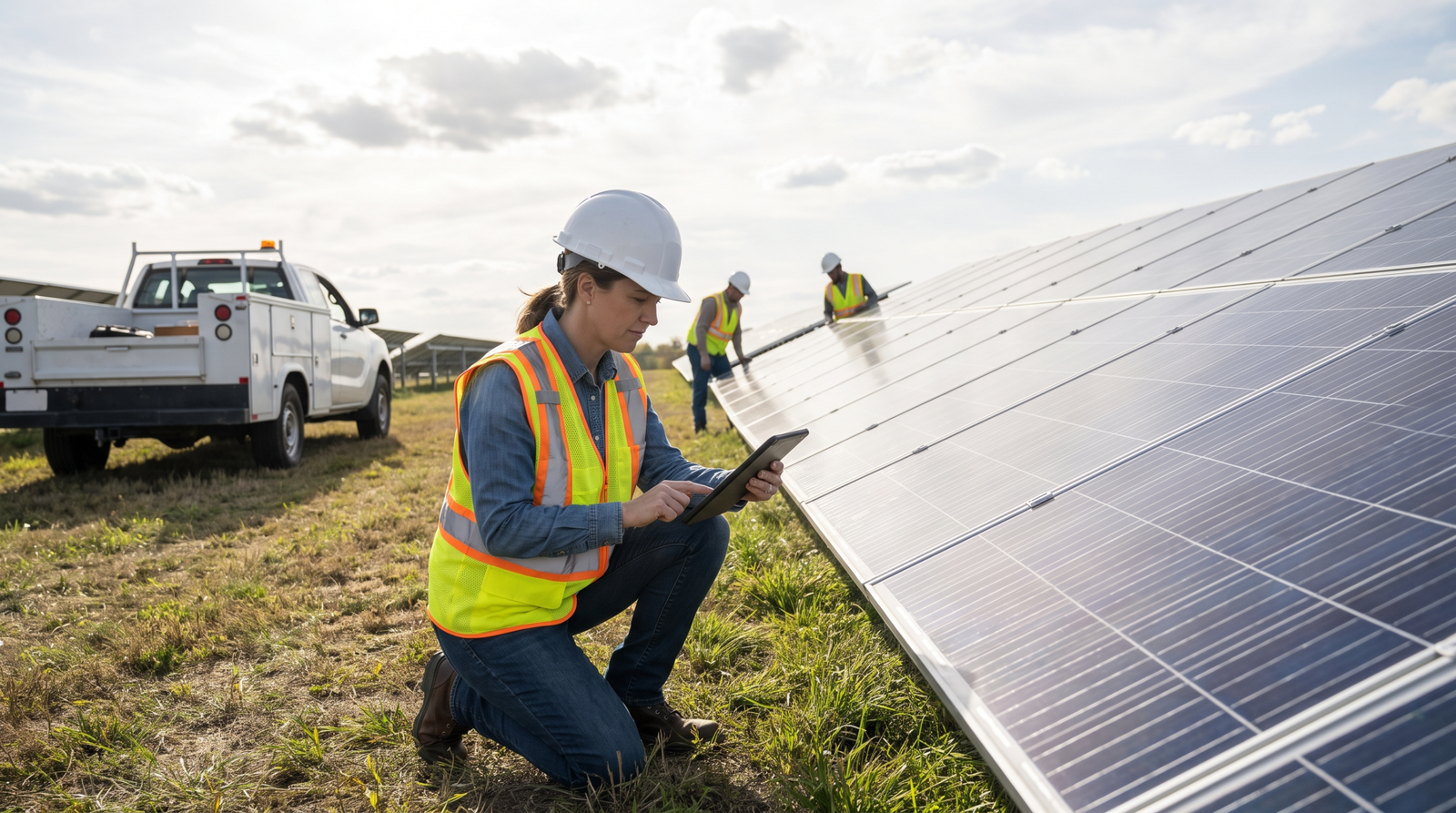
Climate scientists, renewable energy engineers, and sustainability consultants with a documented track record sit at the center of this category. Their work naturally generates the kind of evidence ICP is looking for.
Environmental policy specialists, conservation project leaders, and executives running verified sustainability programs at established companies also fit well, provided their role and outcomes are properly documented.
A general business owner who has simply adopted sustainable practices within an otherwise unrelated business is a considerably harder fit, since the visa targets people whose actual professional contribution centers on environmental work itself.
Consider a renewable energy project manager with eight years of documented experience leading solar installation projects across the region, holding relevant employment contracts and project completion certificates. This profile fit the Blue Visa criteria cleanly.
By contrast, a restaurant owner who had installed solar panels and adopted zero-waste practices at their own establishment, despite genuine personal commitment to sustainability, lacked the kind of professional environmental career documentation the visa actually requires. The restaurant owner pursued a standard investor visa route instead, since the Blue Visa’s specific evidentiary bar didn’t match their actual professional background.
Why this isn’t simply a green-themed Golden Visa
The Blue Visa sits alongside the Golden Visa as a separate, parallel long-term residency category, not a variant of it. The Golden Visa’s investment and nomination routes have their own separate eligibility criteria entirely unrelated to environmental work.
See our guide on how UAE Golden Visa eligibility works for business owners for how that separate, better-established pathway compares for business owners without an environmental career background.
A founder whose business happens to operate in a green or sustainability-adjacent sector doesn’t automatically qualify for the Blue Visa through business ownership alone. The Golden Visa’s investment route remains the relevant path for business-based residency.
Why the Blue Visa resembles the Golden Visa’s nomination route more than its investment route
Structurally, the Blue Visa’s no-investment, merit-based, documented-evidence approach mirrors how the Golden Visa’s nomination route works, just for a specifically environmental professional category rather than the broader talent categories nomination covers.
See our guide on the UAE Golden Visa nomination route and its no-investment path for how that comparable merit-based evaluation process works, since the evidentiary standards and lack of guaranteed approval apply similarly here.
Why the Blue Visa and Green Visa are genuinely different categories despite similar names
The UAE’s separately named Green Visa targets freelancers, investors, and skilled professionals more broadly, unrelated to environmental work specifically. The similar naming causes real confusion between the two.
See our guide on UAE Green Visa requirements and cost for business owners and freelancers for that entirely separate, broader residency category, since a founder searching for a general self-sponsored visa route likely wants the Green Visa, not the Blue Visa’s specifically environmental focus.
Why family sponsorship under this visa is genuinely generous
Blue Visa holders can sponsor a spouse, children regardless of age, and parents, all under 10-year renewable residency permits of their own. This is broader than many standard employment-based sponsorship routes, which often cap dependent age or carry salary threshold requirements.
See our guide on what it actually costs to sponsor dependents as a UAE business owner for how this compares to the more common sponsorship thresholds a standard employment or investor visa holder faces.
Why a remote environmental consultant might consider this over a remote work visa instead
A sustainability consultant working remotely for international clients, with a genuinely documented environmental career, may find the Blue Visa a better long-term fit than a shorter-term remote work visa, given the 10-year duration and no employer-sponsorship requirement.
See our guide on the UAE remote work visa for business owners and digital nomads for how that shorter-term, more broadly available route compares for professionals who don’t specifically meet the Blue Visa’s environmental documentation bar.
Why the underlying visa logic differs from a standard investor or employment visa
A standard investor or employment visa ties residency to an active business or job, requiring renewal tied to that ongoing relationship. The Blue Visa, like the Golden Visa, breaks that dependency entirely.
See our guide on UAE investor visa versus employment visa for a business owner for how that more conventional, employment-tied residency logic compares to the independence a long-term category like the Blue Visa offers.
A professional who has spent years tying their UAE residency to a specific employer or business relationship may find the Blue Visa’s independence, provided they genuinely qualify, a meaningfully different kind of security than what a standard employment-linked visa provides.
What renewing a Blue Visa actually involves after the first 10 years
Renewal generally requires demonstrating that the applicant continues to meet the eligibility criteria, meaning continued genuine involvement in environmental, sustainability, or climate-related work. This isn’t an automatic, no-questions-asked renewal.
An applicant whose career has moved away from environmental work entirely between the original grant and the renewal point should not assume the visa renews regardless of that change. The underlying basis for the grant needs to still hold.
This mirrors how other merit-based, employer-independent UAE residency categories generally handle renewal, reassessing rather than treating the original approval as permanent regardless of subsequent career changes.
Why the 2026 implementation phase means processing times remain somewhat uncertain
Since broader implementation only began rolling out in 2026, following the initial 2025 cohort of 20 recipients, processing timelines and evaluation consistency are still maturing compared to more established routes like the standard Golden Visa investment pathway. Early applicants should expect this maturing process might mean longer or less predictable timelines than a well-established visa category.
Applicants with time-sensitive relocation plans should build in buffer time accordingly, rather than assuming Blue Visa processing moves at the same predictable pace as longer-established residency routes with years of processing volume behind them.
Applicants should also expect that eligibility criteria may continue to evolve as the program matures beyond its initial 2026 rollout, meaning guidance that applied to the first cohorts may be refined further as more applications move through the system and precedent builds up.
What actually strengthens a Blue Visa application beyond the basic checklist
Beyond employment contracts and job descriptions, applications that succeed tend to include quantified outcomes: measurable emissions reductions, project completion metrics, or published research with genuine environmental impact. Vague descriptions of “sustainability leadership” without numbers behind them read as weaker evidence.
Third-party verification also strengthens an application considerably. A reference letter from a recognized environmental organization, government sustainability body, or academic institution carries more weight than a self-authored summary of one’s own contributions.
Applicants should treat this evidence-gathering process the way a grant or fellowship application works, assembling verifiable, specific proof points rather than a general career narrative, since that’s genuinely the standard the evaluating bodies appear to be applying.
Applicants should also confirm whether their specific field is subject to any additional documentation guidance published after their initial research, since a category that seemed straightforward when first researched can accumulate more specific expectations as the evaluating bodies process a larger volume of applications.
Which specific sectors have produced the clearest approved profiles so far
Early Blue Visa recipients have skewed toward renewable energy engineering, climate policy research, and large-scale conservation project leadership, sectors where documented, quantifiable outcomes are a natural part of the work itself. These sectors produce the kind of evidence trail the visa evaluation process seems to reward most consistently.
Sectors like general corporate sustainability consulting, where outcomes are sometimes harder to quantify precisely, may face a somewhat higher documentation bar to demonstrate equivalent, verifiable impact. This doesn’t disqualify these profiles, but it does mean extra care assembling genuinely measurable evidence rather than general narrative claims.
As the 2026 implementation phase matures and more applications get processed across a wider range of environmental sub-fields, the practical evidence bar for less traditionally quantifiable sectors will likely become clearer through precedent, the same way earlier UAE residency categories eventually did.
Applicants from these less traditionally quantifiable sectors should expect to invest more time upfront gathering third-party corroboration, since the burden currently sits more heavily on the applicant to make an unconventional profile legible against a still-maturing evaluation framework.
Applicants comparing this route against the UAE’s other long-term residency categories should weigh not just eligibility fit, but also how mature and predictable each program’s processing has become, since a newer category can offer a strong fit on paper while still carrying more procedural uncertainty than an established alternative.
Common mistakes when applying for the UAE Blue Visa
- Assuming general enthusiasm for sustainability substitutes for documented professional environmental work.
- Confusing the Blue Visa with the similarly named but entirely unrelated Green Visa.
- Applying through business ownership in a green-adjacent sector without a personal environmental career track record.
- Underestimating the documentation standard, submitting informal evidence rather than verifiable employment and project records.
When professional help is worth it
An applicant with a clear, well-documented environmental career and readily available employment records can often assemble a strong application directly. Where guidance is worth the cost is any borderline profile, or uncertainty about whether the Blue Visa or another residency route actually fits better given the specific professional background involved.
For official eligibility criteria and the application process, consult the UAE Federal Authority for Identity, Citizenship, Customs and Port Security (ICP) directly, since Blue Visa evaluation criteria continue to develop through 2026’s broader implementation phase.
Frequently asked questions
Who qualifies for the UAE Blue Visa?
Individuals with documented, verifiable professional contributions to environmental protection, sustainability, or renewable energy, holding at least a bachelor's degree.
Does the Blue Visa require a sponsor or employer?
No. Like the Golden Visa, it requires no local sponsor or employer to maintain residency.
Is the Blue Visa the same as the Green Visa?
No. The Green Visa targets freelancers, investors, and skilled professionals broadly, while the Blue Visa specifically requires documented environmental or climate career contributions.
Can Blue Visa holders sponsor family members?
Yes. Holders can sponsor a spouse, children regardless of age, and parents, all under 10-year renewable permits.
Does adopting sustainable practices in an unrelated business qualify for the Blue Visa?
Generally no. The visa targets individuals whose actual professional career centers on environmental work, not business owners who have simply adopted green practices.
Talk to a setup advisor
Free 20-minute call to confirm the right structure for your business.
Related Reading
 Visas & Immigration
 UAE Golden Visa by Nomination: The No-Investment Route Explained
 Visas & Immigration
 UAE Property Investor Visa: Requirements and Investment Threshold
 Visas & Immigration
 UAE Remote Work Visa for Business Owners and Digital Nomads
 Visas & Immigration