
- The Blue Visa is a separate 10-year residency category introduced in early 2026
- It targets climate action, environmental sustainability, and marine conservation contributors
- Eligibility needs documented, verifiable environmental impact, not just sector affiliation
- A founder still needs a properly licensed UAE business behind the application
- Institutional affiliation with a recognized research or conservation body strengthens an application
- Maintaining the underlying contribution matters across the full ten-year residency period
The UAE Blue Visa is a 10-year residency category introduced in early 2026 for individuals contributing meaningfully to environmental sustainability, climate action, or marine conservation.
It sits alongside the Golden Visa rather than replacing it, giving a distinct route to founders and professionals whose actual work centers on environmental impact rather than the investment or specialist-skill criteria the Golden Visa was built around.
This guide covers who genuinely qualifies for the Blue Visa, how it differs from adjacent long-term residency options, and what a sustainability-focused founder should prepare before applying.
Why this visa exists as its own category rather than an extension of an existing one
The UAE has steadily expanded its long-term residency categories beyond the original Golden Visa criteria, and the Blue Visa reflects a specific policy focus on environmental and climate contribution as its own recognized pathway.
A founder running a genuinely sustainability-focused business, or a professional working directly in climate science, renewable energy, or marine conservation, is the clearest fit for this category.
This is meaningfully different from a business simply describing itself as environmentally conscious in marketing material without a substantive contribution to point to.
| Detail | What applies |
|---|---|
| Residency duration | 10 years |
| Introduced | Early 2026 |
| Target categories | Environmental sustainability, climate action, and marine conservation contributors |
| Relationship to Golden Visa | Separate category, not a replacement or subtype |
| Sponsorship | Self-sponsored, typically extendable to eligible family members |
“A founder building a genuine climate or conservation venture in the UAE finally has a residency category that matches the actual substance of the work, rather than trying to fit that work into criteria built for a different kind of contribution.”
Which specific profiles the Blue Visa was actually designed for
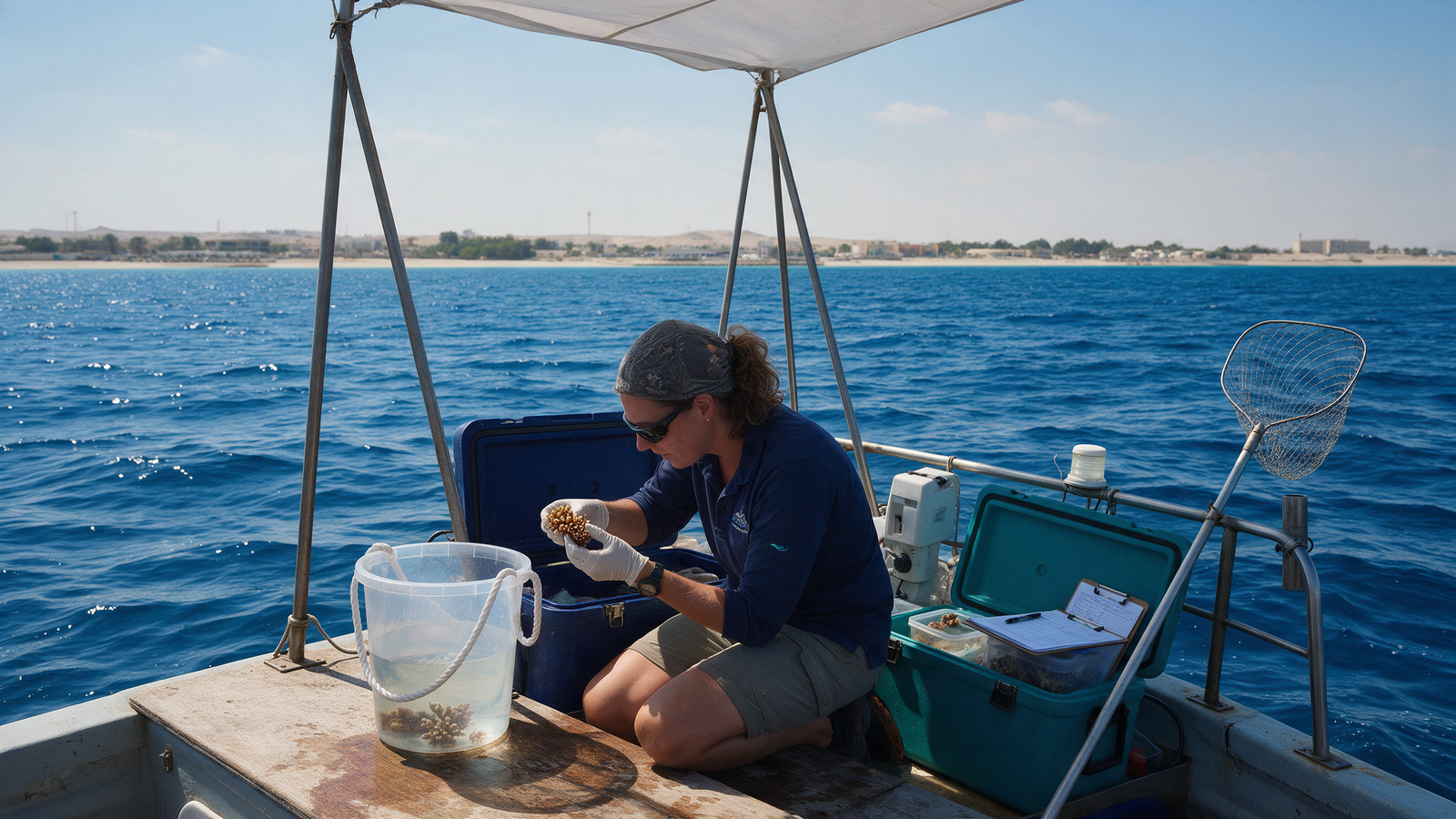
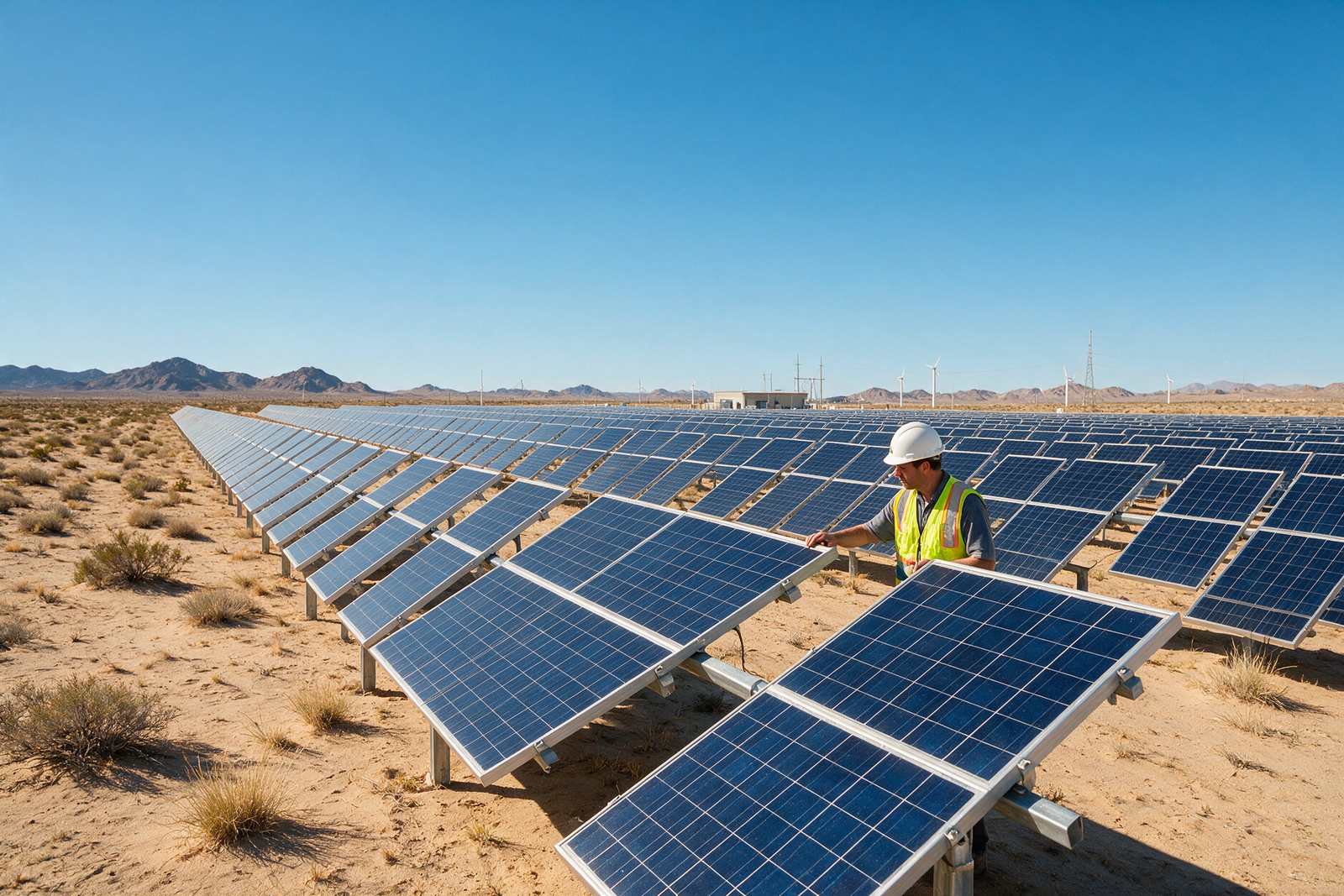
A climate scientist working with a UAE research institution, a renewable energy executive leading a solar or hydrogen project, and a marine biologist running a coral restoration or conservation program each represent the kind of substantive contribution this category targets.
A founder running a sustainability consultancy without direct environmental project work should confirm carefully whether the specific nature of the business actually meets the eligibility bar, rather than assuming a sustainability-adjacent label is sufficient.
Documented, verifiable environmental impact, not simply sector affiliation, is what a Blue Visa application ultimately needs to demonstrate.
Consider a marine conservation founder who had spent several years running a coral reef restoration project along the UAE coastline, previously residing on renewable short-term visas tied to project-specific contracts rather than any long-term residency status.
Applying under the new Blue Visa category, the founder secured ten-year residency directly tied to the conservation work itself, removing the recurring uncertainty of contract-based visa renewals and allowing longer-term planning for the restoration program’s next phase.
Why choosing between the Blue Visa and a Golden Visa depends on which criteria actually fit
A founder or professional eligible for both categories should compare the specific qualifying criteria carefully, since the Golden Visa’s investment and specialist-skill routes may or may not align as cleanly with an environmentally focused profile.
See our guide on what UAE Golden Visa requirements actually look like for a business owner for the adjacent category’s own criteria, useful for comparing against the Blue Visa’s more specifically targeted eligibility bar.
Whether a founder’s technical background might actually fit a different specialist visa better
A founder whose environmental work leans heavily on data science or AI-driven modeling, rather than direct conservation or field science, should confirm whether a specialist visa built around technical skill might actually be the closer fit.
See our guide on the new golden visa route for AI professionals and coders for how this adjacent, skill-specific category compares against the Blue Visa’s environmental contribution focus.
Why a Blue Visa applicant still needs a properly structured UAE business or role behind the application
A founder pursuing Blue Visa eligibility through an environmental venture still needs that venture properly licensed and structured in the UAE, since the visa itself does not substitute for underlying business registration.
See our guide on which UAE free zone actually suits a technology or research-driven business for how a sustainability-focused venture’s licensing choice should be made independently of, though alongside, the residency planning.
Why family sponsorship deserves its own separate planning conversation
A Blue Visa holder planning to bring family members to the UAE under this residency should understand that dependent sponsorship carries its own distinct cost and documentation requirements, separate from the primary visa application itself.
See our guide on what dependent visa sponsorship actually costs for a business owner for the practical planning a Blue Visa holder needs alongside the primary application.
Why documentation quality is the single biggest factor in a Blue Visa application’s success
A founder applying under this category should assemble clear, verifiable evidence of the environmental work itself: project records, institutional affiliations, published research, or measurable conservation outcomes.
An application built around vague sustainability claims, without this kind of concrete documentation, faces a genuinely higher rejection risk than one built around specific, provable contribution.
Starting this documentation process early, well before the actual application, gives a founder time to fill any evidentiary gaps rather than discovering them mid-application.
Why long-term residency status genuinely helps with banking relationships too
A founder holding a 10-year Blue Visa, rather than a shorter-term visa tied to an employment or investor contract, often finds banks treat the longer residency status as a positive signal during account opening and ongoing relationship management.
See our guide on the documents UAE banks expect before opening a corporate account for how residency status factors into the broader banking documentation picture a founder should prepare.
Why a renewable energy venture behind a Blue Visa still needs the right licence from day one
A founder building a solar, wind, or hydrogen venture as the substantive basis for a Blue Visa application needs that venture properly licensed for its specific activity, since a mismatched licence classification can complicate both the business itself and the visa application built on top of it.
See our guide on what activities a UAE general trading licence genuinely permits for how equipment trading and distribution activity within a renewable energy business should be licensed correctly alongside any project or advisory work.
Why a ten-year residency holder should still keep an active compliance record, not a static one
A founder settling into a decade-long Blue Visa should not treat the underlying business’s compliance obligations as finished simply because the visa itself is now long-term.
See our guide on what a UAE business’s compliance routine should actually include for how a long-term resident’s underlying venture should keep its annual compliance routine current regardless of how settled the residency status itself feels.
Why maintaining eligibility across the full ten years deserves ongoing attention
A founder or professional granted a Blue Visa should not assume the underlying environmental contribution that justified the original approval is simply locked in for the full ten years without any further attention.
Continuing the actual conservation or sustainability work, and keeping documentation current throughout the residency period, protects against complications at renewal time and keeps the visa holder’s own record consistent with the basis on which it was originally granted.
A founder whose environmental venture pivots substantially over time, moving from marine conservation into a different sustainability niche for example, should proactively understand how that shift might be viewed relative to the original qualifying basis.
Treating the ten-year window as an ongoing commitment, not a one-time approval to secure and then forget, is the more prudent way to think about a residency category built specifically around demonstrated contribution.

Why comparing every eligible pathway before applying saves real time later
A founder or professional with a genuinely strong environmental track record may find themselves technically eligible for more than one long-term residency category, and comparing these routes side by side before applying is worth the extra research time.
A Blue Visa application built specifically around climate or conservation credentials may proceed faster than a Golden Visa application built around a less clearly matching criterion, simply because the supporting evidence lines up more directly with what the reviewing authority is actually looking for.
A founder unsure which route fits best should have both options assessed properly rather than guessing which pathway to commit to first, since restarting under a different category after an unsuccessful attempt costs considerably more time than a proper upfront comparison would have.
This comparison is especially worth doing for a founder whose work spans more than one qualifying category, where the strongest application might actually combine elements of both routes rather than fitting neatly into just one.
Why an institutional affiliation strengthens a Blue Visa application considerably
A founder or professional with a formal relationship to a recognized UAE research institution, environmental authority, or established conservation organization typically finds their application carries more immediate credibility than one built purely around independent project work.
This does not mean independent work cannot qualify, but a founder without an existing institutional relationship should consider whether building one, even informally through collaboration or advisory involvement, might meaningfully strengthen the eventual application.
Institutional affiliations also often provide access to additional documentation, letters of support, and verified project records that are considerably harder for a purely independent applicant to assemble alone.
A founder planning ahead for this application should weigh whether pursuing this kind of institutional relationship earlier, even before formally applying, is worth the investment given how much it can strengthen the overall case.
A founder should also keep a running log of media coverage, conference appearances, or public recognition tied to the environmental work itself, since third-party validation often carries more weight in an application than a founder’s own self-description of the project’s impact.
This kind of external recognition also helps distinguish a genuinely established practitioner from someone newer to the field, which matters when a reviewing authority is comparing applications across a wide range of experience levels.
A founder should also budget realistic time for gathering this documentation, since assembling verifiable project records and institutional correspondence often takes considerably longer than founders initially expect.
Common mistakes when approaching the UAE Blue Visa
- Assuming a sustainability-adjacent business qualifies without documented, verifiable environmental impact.
- Confusing the Blue Visa’s eligibility criteria with the Golden Visa’s separate investment or skill-based routes.
- Applying without first properly structuring the underlying UAE business or institutional affiliation.
- Leaving family sponsorship planning until after the primary visa is already approved.
When professional help is worth it
A founder with clear, well-documented environmental project work can often prepare a Blue Visa application directly. Where guidance is worth the cost is any founder unsure whether their specific profile meets the eligibility bar, or juggling this application alongside new business setup and family sponsorship planning simultaneously.
the visa and residency specialists at e.zone can confirm whether your environmental or conservation work genuinely meets Blue Visa eligibility criteria. See e.zone’s guide on the practical benefits of long-term UAE residency for the broader case for pursuing a ten-year visa category like this one.
Applicants who don’t qualify under the conservation criteria can compare this route against the more familiar 10-year Golden Visa package on EZONE’s marketplace.
Frequently asked questions
What is the UAE Blue Visa?
A 10-year residency category introduced in early 2026 for individuals contributing meaningfully to environmental sustainability, climate action, or marine conservation.
How is the Blue Visa different from the Golden Visa?
It is a separate category with its own criteria specifically focused on environmental contribution, rather than the Golden Visa's investment or specialist-skill routes.
Who typically qualifies for the Blue Visa?
Climate scientists, renewable energy executives, and marine conservation professionals with documented, verifiable project work.
Does a Blue Visa holder still need a licensed UAE business?
Yes, the visa does not replace the need for a properly licensed and structured underlying business or institutional role.
Does eligibility need to be maintained after the visa is granted?
Yes, continuing the actual environmental work and keeping documentation current protects against complications at renewal time.
Talk to a setup advisor
Free 20-minute call to confirm the right structure for your business.
Related Reading
 Visas & Immigration
 UAE Visa Overstay Fines in 2026: No Blanket Amnesty, Only Case-by-Case Waivers
 Visas & Immigration
 Dubai's 2026 Property Investor Golden Visa Overhaul Explained
 Visas & Immigration
 Dubai Creators HQ Golden Visa: What Content Creators Actually Need to Qualify
 Visas & Immigration