
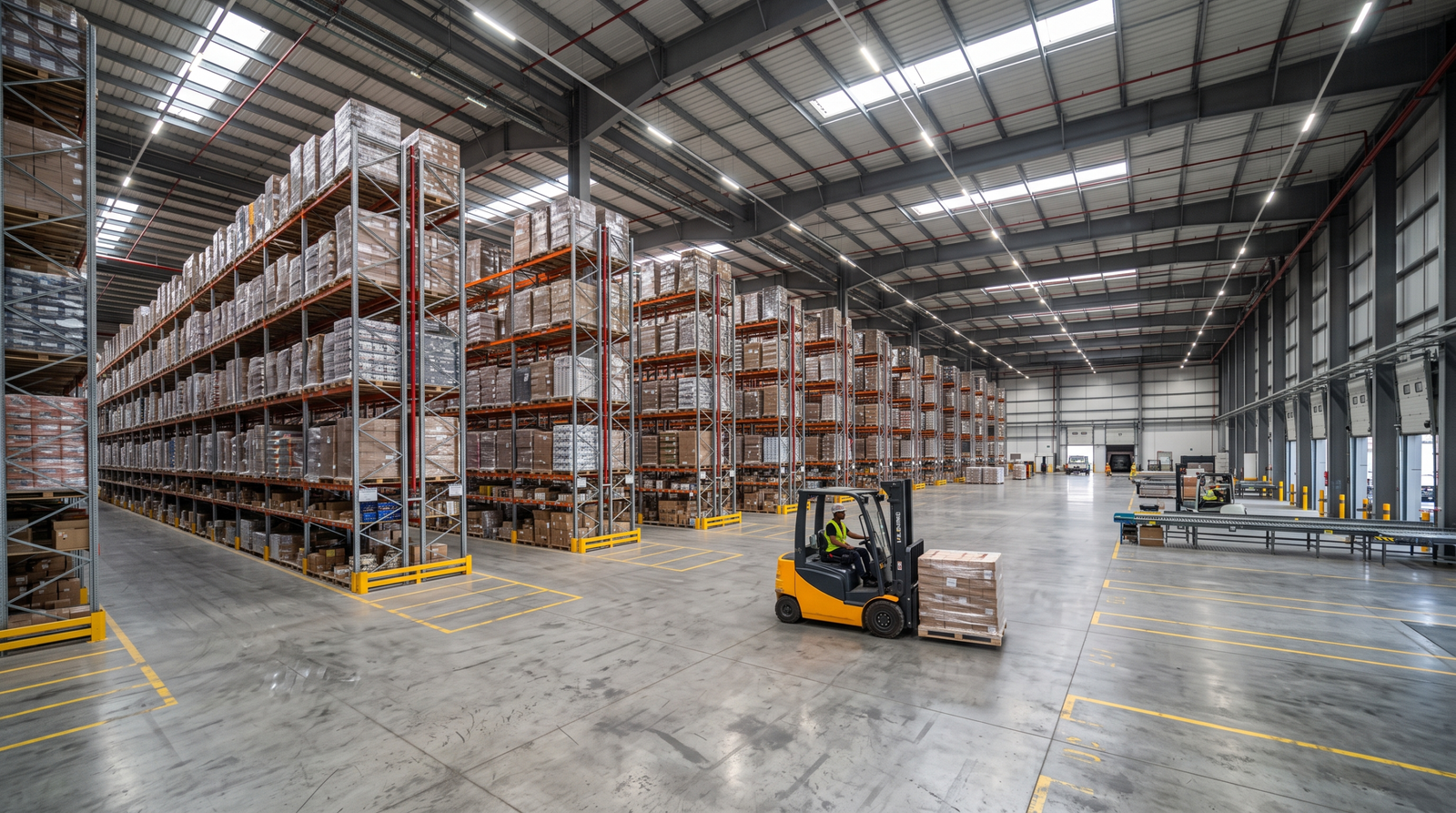
- Warehouse space is priced separately from the licence fee, running AED 80-180 per square metre annually depending on the zone.
- JAFZA suits sea freight and bulk storage via Jebel Ali Port; DAFZA suits air freight and time-sensitive cargo via the airport.
- Choosing a zone on price alone without matching it to your actual supply chain often means paying for logistics access you never use.
- Leasing more warehouse space than current inventory justifies locks in a higher annual cost, since downsizing mid-lease is rarely straightforward.
- Food, chemical, and pharmaceutical goods need additional storage-specific approvals beyond the base warehouse licence.
- Mainland industrial licences also permit warehousing, generally with easier direct local distribution than the free zone route.
A UAE free zone warehouse licence adds AED 48,000 or more a year in warehouse space on top of the standard licence fee, with rates running AED 80 to 180 per square metre depending on the zone. The real decision isn’t just cost per square metre, it’s choosing a zone actually built for logistics rather than adding a warehouse tier to a zone designed for offices.
This guide covers what a warehouse or industrial licence actually requires, how JAFZA and DAFZA differ for this specific use case, and the space-planning mistakes that inflate cost unnecessarily.
What a warehouse or industrial licence actually permits
A standard free zone trading licence assumes an office-based operation with light storage at most. A warehouse or industrial licence specifically authorizes storage, light assembly, and distribution activity at scale, and typically requires the physical warehouse space to be leased as part of the licence itself, not added on afterward. This distinction matters because retrofitting a standard licence to cover real warehousing later means a licence amendment, not just a lease change.
| JAFZA | DAFZA | |
|---|---|---|
| Best suited for | Port-connected logistics, sea freight, bulk storage | Air freight, time-sensitive, lighter cargo |
| Entry-level licence cost | AED 5,000-8,500 (activity-dependent) | From AED 15,000 |
| Warehouse rate | AED 80-180/sqm/year | Generally higher, reflecting airport proximity |
| Typical total setup | AED 40,000-60,000+ | Varies, generally premium-positioned |
“JAFZA puts you next to the port. DAFZA puts you next to the runway. Neither one is generically ‘the warehouse option’; each is built around a different supply chain.”
Choosing based on your actual supply chain, not just price
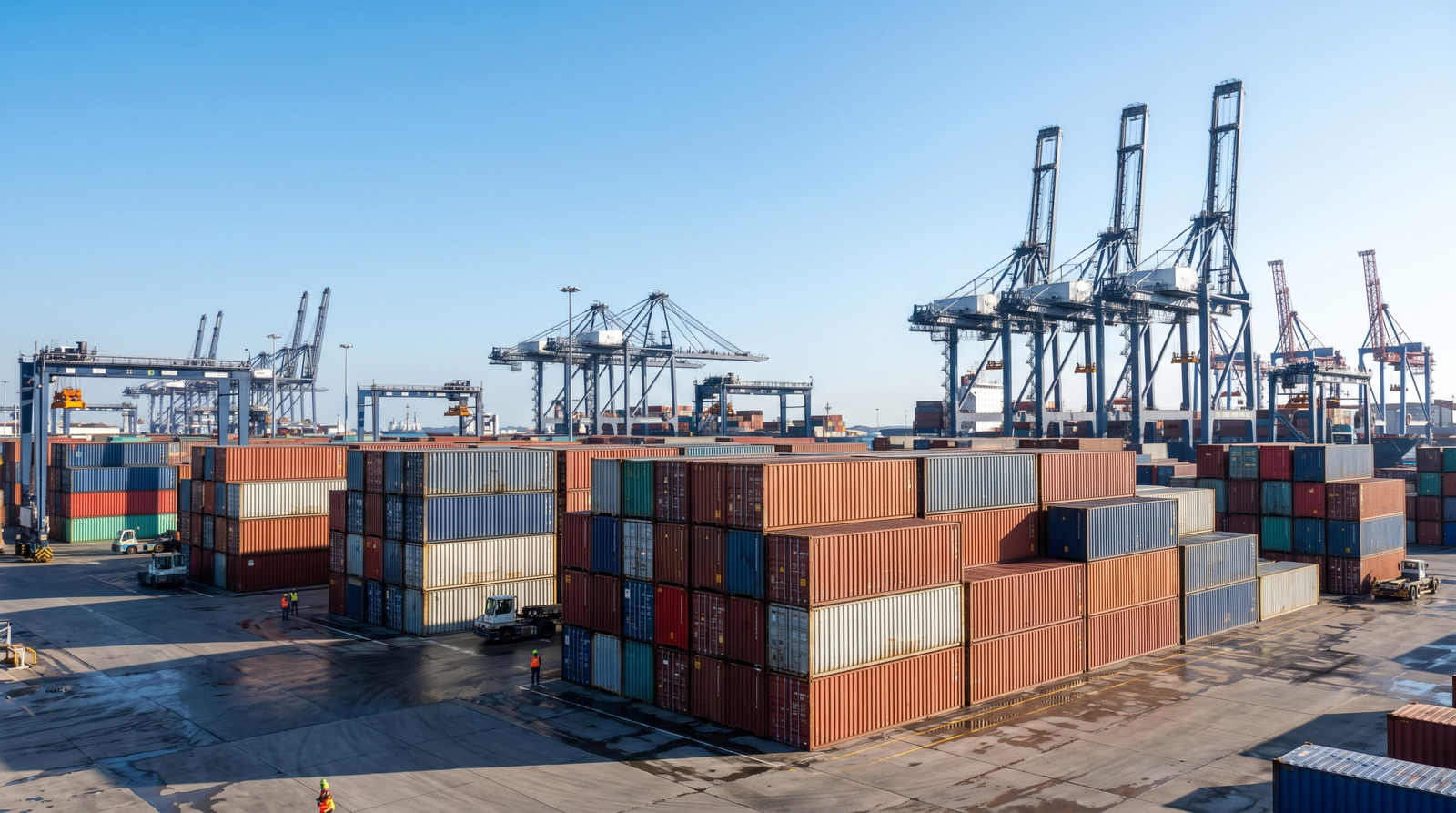
JAFZA’s proximity to Jebel Ali Port makes it the natural fit for businesses moving bulk goods by sea freight, container-based import and export, and anything where port access materially reduces onward logistics cost. DAFZA sits beside Dubai International Airport, making it the better fit for air freight, high-value or time-sensitive cargo, and businesses where speed matters more than bulk volume. Choosing the cheaper zone without checking which one actually connects to your real supply chain often means paying for logistics efficiency you never use. See e.zone’s breakdowns of what a JAFZA licence actually costs and DAFZA licence costs for the fuller fee schedules behind each zone.
The space-planning mistake that inflates cost unnecessarily
Warehouse space is priced per square metre annually, and many founders lease more space than their actual inventory volume justifies, assuming growth will fill it. Unlike a flexi-desk office upgrade, downsizing warehouse space mid-lease is rarely straightforward, so overestimating space early locks in a higher annual cost for the full lease term. Right-sizing initial space to current volume, with a plan to expand at renewal rather than upfront, avoids this.
Consider an importer leasing 500 square metres of JAFZA warehouse space based on projected year-two volume, while year-one inventory only filled roughly 200 square metres. The extra 300 square metres sat empty for the full first year, adding a meaningfully higher annual cost than a right-sized lease with a planned expansion at renewal would have carried, once the actual growth curve played out slower than initially projected.
Activity codes and approvals specific to warehousing
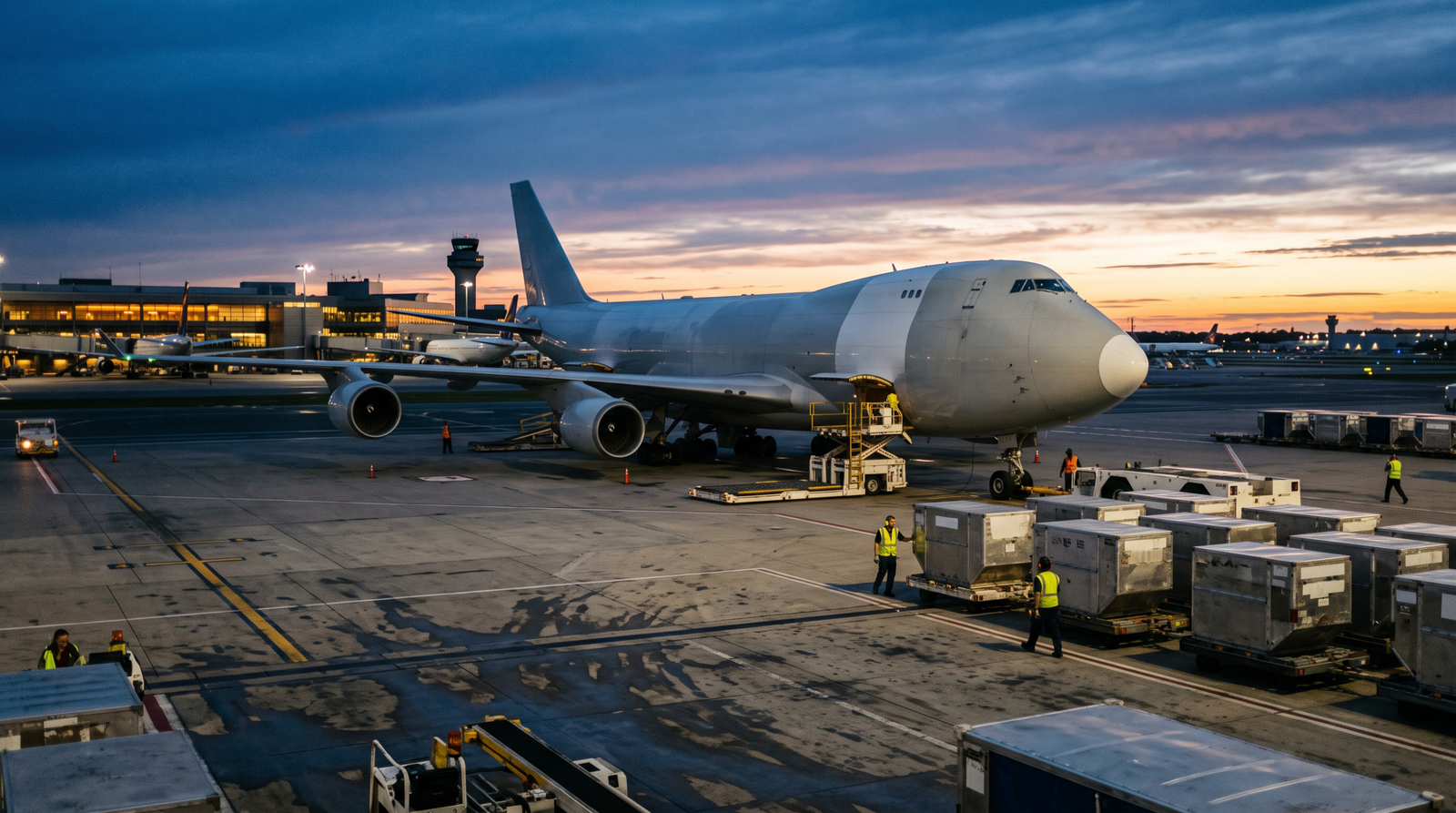
Certain goods categories, food products, chemicals, and pharmaceuticals among them, require additional storage-specific approvals beyond the general trading or industrial licence itself, covering temperature control, hazardous material handling, or food safety standards. This is the same pattern as the broader trading-licence approval requirements; see our guide on what a general trading licence actually covers for how category-specific approvals layer on top of the base licence.
Does mainland offer a warehouse option too?
Yes, mainland industrial licences also permit warehousing, generally with more flexibility on distributing directly to UAE-based customers without needing a distributor, at the cost of the same mandatory office requirements that apply to any a standard mainland company. The free zone route tends to win on logistics-hub proximity and international re-export ease; mainland tends to win on direct local distribution rights.
What to check in the warehouse lease itself before signing
Beyond the headline per-square-metre rate, free zone warehouse leases typically bundle in service charges covering shared security, fire safety systems, and access road maintenance, which can add a meaningful percentage on top of the base rent depending on the zone. Lease terms also vary on how expansion works mid-term: some free zones allow adding adjacent space at the same per-square-metre rate on request, while others treat any expansion as a fresh lease negotiation at current market rates. Confirming which applies before signing avoids a founder assuming flexible expansion terms that the specific lease doesn’t actually offer.
Common mistakes when setting up a warehouse licence
- Choosing a free zone on licence price alone without checking whether it connects to your actual supply chain, port or airport.
- Leasing more warehouse space than current inventory volume justifies, locking in higher cost for the full lease term.
- Not confirming category-specific storage approvals for food, chemicals, or pharmaceuticals before signing a lease.
- Assuming a standard trading licence covers warehousing at scale without checking whether an amendment is actually required.
When professional help is worth it
A founder with a clear sense of their supply chain, sea freight versus air freight, and current inventory volume can often choose the right zone and space size directly by comparing published rates. Where it’s worth a second opinion is when goods categories require specific storage approvals, since getting that wrong after signing a warehouse lease is expensive to unwind. e.zone’s logistics licensing specialists can map your supply chain against JAFZA and DAFZA options before you commit to a warehouse lease.
Frequently asked questions
How much does a UAE free zone warehouse licence cost?
Entry-level licence fees run from roughly AED 5,000 at JAFZA to AED 15,000 at DAFZA, with warehouse space priced separately at AED 80-180 per square metre annually, adding AED 48,000 or more a year for a modest space.
Should I choose JAFZA or DAFZA for a warehouse licence?
JAFZA suits sea freight, bulk storage, and container-based import and export thanks to its proximity to Jebel Ali Port. DAFZA suits air freight and time-sensitive cargo given its location beside Dubai International Airport. The choice should follow your actual supply chain, not just price.
Can I downsize my warehouse space if I lease too much?
Generally no, mid-lease downsizing is rarely straightforward for free zone warehouse space, unlike a flexible office upgrade. Right-sizing initial space to current inventory volume, with expansion planned at renewal, avoids overpaying for unused space.
Do I need extra approvals to store food or chemicals in a free zone warehouse?
Yes, food products, chemicals, and pharmaceuticals typically require additional storage-specific approvals covering temperature control, hazardous material handling, or food safety standards, beyond the base warehouse or trading licence.
Can a mainland company get a warehouse licence instead of a free zone one?
Yes, mainland industrial licences also permit warehousing, generally with more flexibility to distribute directly to UAE-based customers without needing a distributor, though the same mandatory office requirements apply as any mainland company.
Talk to a setup advisor
Free 20-minute call to confirm the right structure for your business.
Related Reading
 Free Zone Company Setup
 Dubai CommerCity: The Free Zone Built Specifically for E-commerce
 Free Zone Company Setup
 DIFC vs ADGM: Which Free Zone Actually Fits a Fintech or Asset Management Business
 Free Zone Company Setup
 DMCC Company Setup: Cost, Process, and What the Jump Start Package Covers
 Free Zone Company Setup